Make the most of your wine cabinet
The right settings, smart organisation, and the little tips that matter: our recommendations for getting the most from your wine cabinet every day.
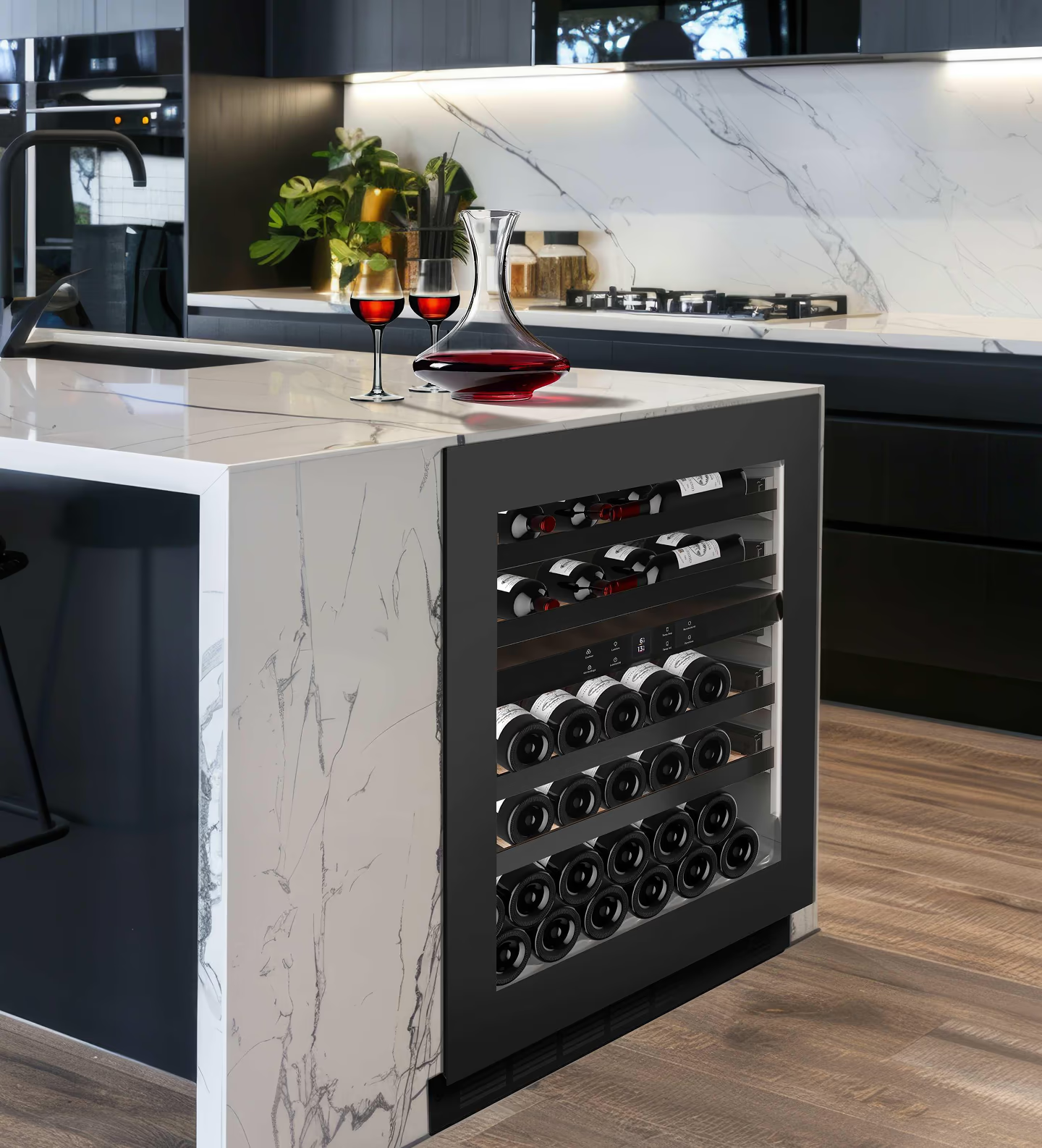
1, 2 or 3 zones?
To choose the right wine cellar, you first need to understand your actual needs. A single-zone wine cellar is sufficient if you are an amateur with a uniform collection, as it guarantees a stable temperature, ideal for standard storage. But if you are discerning and enjoy reds, whites and champagnes alike, a two- or three-zone cellar becomes essential: it allows you to precisely adjust the temperature for each type of wine, preventing the finesse of whites from being compromised or reds from being rushed. Furthermore, a three-zone cellar is designed for true enthusiasts or ambitious collectors, offering ultra-precise control over several types of wine and the ability to store both bottles to be enjoyed soon and fine wines to be kept for years.
How many bottles?
Choosing the right wine cellar capacity means thinking ahead and planning for the future. Don’t rely solely on the number of bottles you own today: always opt for a wine cellar with at least 30% extra capacity. Why? Because the advertised capacity is calculated based on standard Bordeaux bottles, which are narrower than other formats such as Burgundies or Champagnes, which take up more space. Above all, a well-designed wine cabinet should leave room for impulse buys, unexpected discoveries, or a lovely case of wine you’ve been given. Also bear in mind that a wine cabinet works best when it is at least 75% full: this ensures that the temperature and humidity are perfectly regulated to preserve your bottles.
Where should you place your wine cellar?
Choosing the right location for your wine cellar also means knowing which type of cellar best suits that space. For small spaces or modern kitchens, column or under-counter wine cabinets are perfect: they fit seamlessly under a worktop or into a cabinet, offering easy access whilst optimising space. If you have a dedicated corner or a larger room, freestanding wine cellars offer more capacity and flexibility, often with advanced features for long-term storage. You should choose a cool spot, protected from sudden temperature fluctuations, excessive humidity and direct light, all of which can compromise the quality of the wine. A quiet spot, away from sources of vibration such as washing machines, is also best for ensuring the quality of the wine.
What is the wine cellar intended for?
To find the ideal wine cellar, it is essential to understand the different possible uses: serving, storage or ageing.
- A serving cellar is perfect for those who want to keep their bottles at the right temperature, ready to be enjoyed soon, with simple controls and a stable temperature suited to wines to be drunk in the coming weeks or months.
- A storage wine cellar, on the other hand, is suitable for those who wish to protect their wines over a medium-term period, maintaining controlled humidity and limiting vibrations to prevent any deterioration.
- Finally, for enthusiasts who wish to age their fine wines over several years, the ageing wine cellar imposes strict conditions: constant temperature, controlled humidity, perfect insulation via a solid door, and absolute silence so that the wine can mature without stress.
By understanding these uses, you will know exactly which wine cellar to choose, based on your needs and drinking habits, to get the most out of your collection.